
The breast is made up of different types of tissue, which sit on top of the pectoralis major muscle over the ribcage. Within the fatty tissue of the breast is a network of lobes, made up of tiny, tube-like structures called lobules that contain milk glands. Lactiferous ducts connects the lobes, glands, and lobules to carry milk to the nipple, located in the middle of the areola, the darker area that surrounds the nipple. Lymph vessels also run through the breast, and connect to axillary lymph nodes, tiny, bean-shaped organs that are found in groupings in various parts of the body, including the armpits.

This is a non-invasive cancer (stage 0) that is located only in the duct and has not spread outside the duct.

This is cancer that has spread outside of the ducts. It is the most common type of invasive breast cancer.
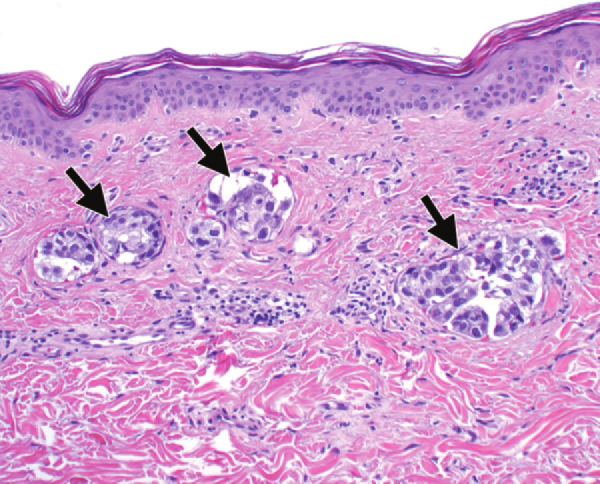
Thymoma: A rare cancer that originates in the thymus, a small organ located behind the breastbone.Thymic carcinoma: A more aggressive form of thymic cancer.

This is a type of breast cancer that has spread outside of the lobules.

This is an aggressive type of cancer that accounts for about 1% to 5% of all invasive breast cancers.
Our surgeons are expertly trained in several different options for removing breast cancer cells through surgery.
A group of drugs is used in chemotherapy to prevent cancer from spreading. Depending on the cancer stage, the drugs can be delivered by vein or catheter.
Radiation therapy uses high-energy rays to kill cancer cells. Depending on your cancer type and location, radiation therapy can be used externally or internally.
The biological treatment uses your body’s immune system to fight against cancer. It works by stimulating your immune system or introducing new organisms that destroy cancer cells.
Symptoms include persistent sore throat, difficulty swallowing, changes in voice, and lumps or sores in the mouth or neck. Early detection is crucial for effective treatment.
Risk factors include tobacco and alcohol use, human papillomavirus (HPV) infection, prolonged sun exposure, and a family history of head and neck cancer. Understanding these risks helps in prevention and early detection.
Treatment options include surgery, radiation therapy, and chemotherapy. The choice depends on the cancer type, stage, and individual factors. Multidisciplinary approaches are often employed for comprehensive care.
Depending on the tumor’s location and treatment, patients may experience changes in speech and swallowing. Rehabilitation therapies are often used to address these challenges and improve quality of life.
While not all cases are preventable, adopting a healthy lifestyle, including avoiding tobacco and limiting alcohol consumption, can reduce the risk. Additionally, vaccination against HPV can contribute to prevention. Regular check-ups and screenings are essential for early detection.
(Dr. Varun Kumar Agrawal)
Cancer Surgeon | Best Cancer Doctor in Agra | Oncologist in Agra